
Cycle speedway began in the UK in 1946. It was started by the nation’s youngsters, who, after six years of war and restrictions, were keen to enjoy life again. They built their own rough and ready tracks on bomb sites, racing on stripped down old bikes and organised their own competitions. This new craze quickly developed into an organised sport, with the National Amateur Cycle Speedway Association (NACSA) staging the first National Team Championship in 1950, followed by the first National Individual Championship in 1951.


Early years
The British Federation was formed in 1958, led mainly by London and southern clubs wishing to run events on good quality tracks, with high standards of presentation, for the sport’s elite riders. NACSA remained committed to catering for grassroots levels of participation for all, whilst continuing to run their established National Championships.
The split lasted until 1972, when the two organising bodies agreed to unify and the new “Cycle Speedway Council” became the sport’s sole governing body from the start of the 1973 season. At first there were significant differences amongst the regions; track standards, presentation standards, and racing rules interpretations. These were gradually ironed out, and by the end of the decade there was much more uniformity.

The International racing scene was reintroduced (after matches in the 50’s and 60’s) when the Great Britain team visited Australia in 1981. This expanded with the introduction of the Netherlands, Sweden, Poland and the USA to competitions.
Evolution
However, alarm bells were ringing during the 1980’s and 1990’s. Despite the undoubted increase in competitiveness at the top end of the sport, with the bigger clubs improving their facilities, there was a steady decline in the number of clubs and participants overall. The sport’s Golden Jubilee Year, 1996, signalled a common cause for change, as many within the sport realised the need for change to stem the decline.
Project 2000 was an ambitious plan produced the following winter and it marked a significant change. The introduction of the British Junior League in 1997 was based on a revolutionary change of a multi team match, featuring racing at a range of age levels. The League was a huge success as the number of youngsters participating in the sport increased significantly. The old traditional format of “8+6” 1st and 2nd team matches between two teams remained, but the new format opened up alternative ways of running race meetings. There was a definite sea change of optimism within the sport.
A sport for everyone
In 1998 the Sports Council (now Sport England) announced a significant change. They would no longer fund the different cycling governing bodies, unless they merged into the new British Cycling organisation. So in 1999, cycle speedway became one of British Cycling’s six disciplines. In some ways, it was seen as a good move to be within the recognised cycling governing body and have access to services that hadn’t been available before. On the other hand, some felt that CS was seen as second place to the Olympic disciplines.
Project 2000 had stemmed the decline in the number of clubs and participants, as the CS discipline stabilised. Another Development review saw the introduction of more younger age categories and Women and Girls competitions as National Championships in 2006. This review recognised that the sport’s demographics had changed significantly from the “15-30 year old males” of the past to a newer, much more family friendly sport, catering for riders from 4-75 years old, with both genders and more ethnic minority participation. The format of bigger race meetings to cater for multi teams and more riders continued to grow.
The Cycle Speedway Federation
The knowledgeable officials within the sport of cycle speedway continued to successfully manage change in the competitions structure, to ensure that racing was appropriate for its membership. However, British Cycling, although having the largest budget of any Olympic sport in the UK, was becoming subject to external influences that led to significant changes, in terms of financial and support priorities. The financial and admin support from British Cycling to Cycle Speedway reduced alarmingly, as British Cycling’s sport funding was focused on Olympic disciplines and increasingly dependent on corporate sponsors’ requirements.
It became clear to everyone involved that the sport needed to reduce its reliance on British Cycling, and pursue a more independent path.
Various options were considered, including a preferred devolved structure where British Cycling would remain the NGB. Unfortunately, they could not agree, and a full separation was deemed in the sport’s best interests.
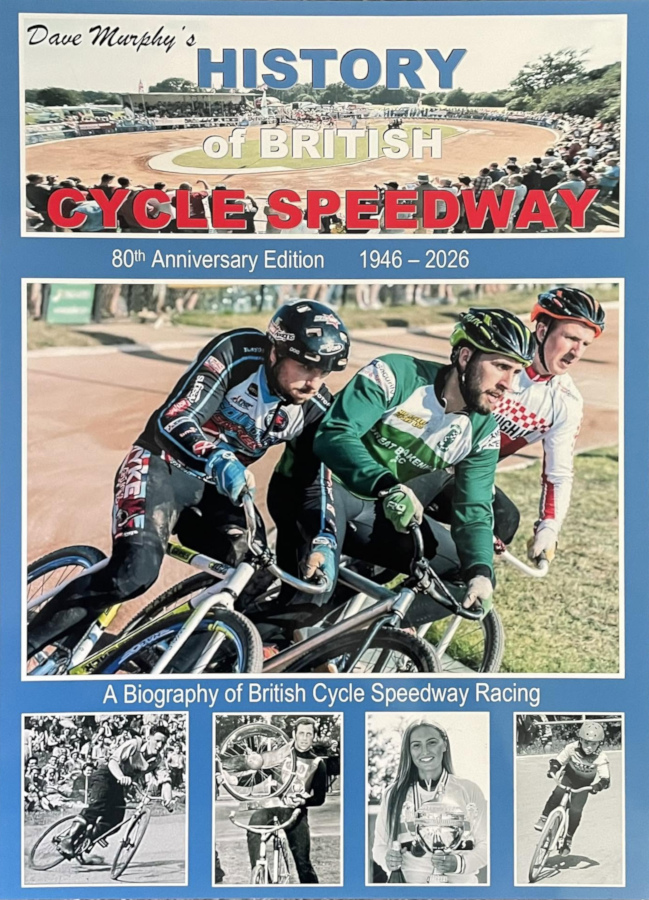
The Cycle Speedway community came together over the winter of 2025/26 to create a new independent structure – the Cycle Speedway Federation. This has given the sport a new lease of life to pursue its ambition of being an inclusive, community-focussed, and affordable grassroots sport.
The future
Cycle Speedway has a rich history of evolving and successfully adapting to changing circumstances, whilst staying true to its core principles of providing affordable and accessible cycling activities and sport for all. The Cycle Speedway Federation is focused fully on providing a range of fun and enjoyable activities, with a new initiative of building multi use circuits, as well as competitive racing for all.
Cycle Speedway has a rich history of evolving and successfully adapting to changing circumstances, whilst staying true to its core principles of providing affordable and accessible cycling activities and sport for all.
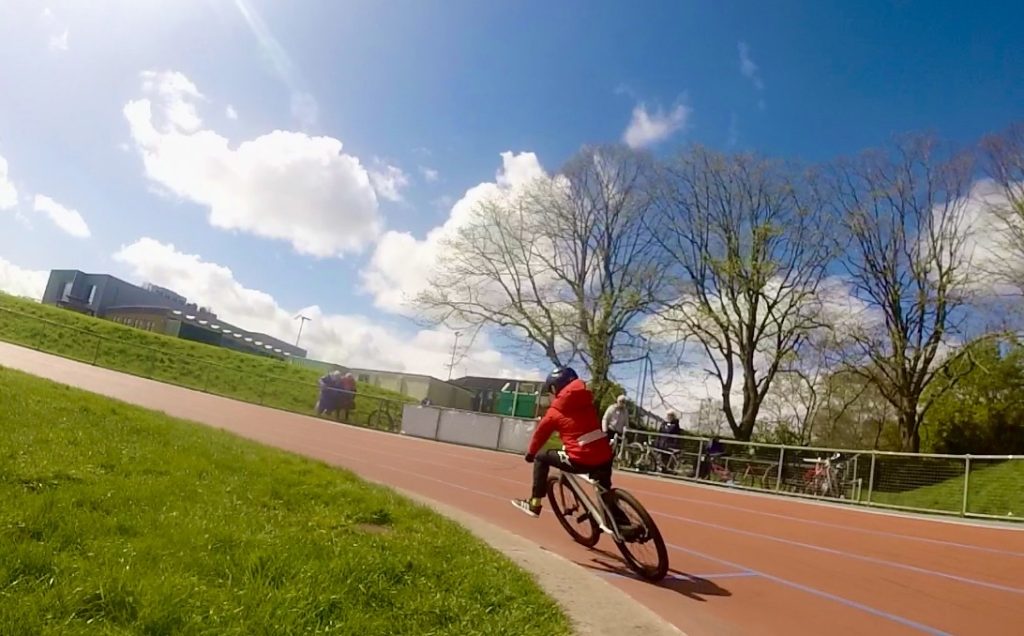
The Cycle Speedway Federation is focused fully on providing a range of fun and enjoyable activities, with a new initiative of building multi use circuits, as well as competitive racing for all.
The CSF’s objectives reflect inclusive community sport and participation, increasing participation from children, women and under represented ethnic minority groups in activities and competitions. In its 80th anniversary year, Cycle Speedway continues to provide fun and enjoyable cycling activity for all.

CS brought me out of my shell; the more I’ve done it, more and more confident. It’s one of the best cycling disciplines you can take part in. It has everything: contact, short fast races, and every race is different.
- Reece, riding since early teens